 how-to
Why Hire Armed Security Guards: 6 Reasons for 2026
Table of Contents
- Why Hire Armed Security Guards: 6 Reasons That Matter
- Armed vs Unarmed Security Guards: How to Tell Them Apart
- When to Hire Armed Security (and When Unarmed Is Enough)
- Armed Security Guard Qualifications: What to Verify
- Pros and Cons of Armed Guards: A Balanced Look
- How to Vet an Armed Security Provider Before You Sign
- Frequently Asked Questions
Last Updated: October 8, 2026
Why Hire Armed Security Guards: 6 Reasons That Matter
Armed security guards are trained professionals who carry firearms and are authorized to use force to protect people and property.

The short answer is deterrence, speed, and protection. An armed officer changes how a would-be offender sizes up your property. That single visible factor prevents more incidents than most business owners expect.
Below, we break down six reasons armed coverage earns its place, plus how to tell armed and unarmed guards apart, what to verify, and how to vet a provider before you sign.
1. Visible Deterrence Against Violent Crime
A visible security presence is the cheapest crime prevention you can buy. Most offenders pick soft targets. A uniformed officer with a firearm on their hip removes your property from that list.
Deterrence works because it raises the perceived risk. A person planning a robbery, a break-in, or an act of vandalism weighs effort against payoff. An armed officer tips that math against them.
- Marked uniforms and clear positioning matter more than hidden cameras
- Officers who patrol, greet visitors, and log activity deter more than static posts
- Lighting plus a visible guard cuts nighttime incidents sharply
2. Rapid Response to Active Threats
Seconds decide outcomes in a violent threat. An armed officer on site can respond to an intruder, an armed robbery, or an active threat before police arrive.
That gap matters. Local law enforcement may take several minutes to reach your location. A trained officer already on the property closes that window.
- Immediate response stops a threat from escalating
- On-site officers can secure entrances and guide people to safety
- They can relay accurate details to 911 dispatchers
3. Protection of People, Property, and Reputation
Armed guards protect three things at once: the people on your site, your physical assets, and the reputation you spent years building.
A single violent incident at a retail center, bar, or apartment community can dominate local news and drive customers away for months. Prevention protects your brand as much as your building.
- Employee safety and customer safety reduce turnover and complaints
- Asset protection covers cash, inventory, equipment, and vehicles
- Reputation protection keeps one bad night from becoming a yearlong problem
Armed vs Unarmed Security Guards: How to Tell Them Apart
The main difference between armed and unarmed security guards is authority and training. Armed officers carry a firearm and complete firearm training, use-of-force instruction, and ongoing qualification. Unarmed officers observe, report, and de-escalate, but they cannot meet a lethal threat with force.
Both roles matter. The right choice depends on your risk level, not on budget alone.
| Factor | Armed Guards | Unarmed Guards |
|---|---|---|
| Firearm | Carried and authorized | Not carried |
| Training | Firearm, use of force, de-escalation | Observation, reporting, de-escalation |
| Best for | High-risk sites, cash, threats | Low-risk sites, access control |
| Deterrence | Strong against violent crime | Strong against theft and trespass |
Armed coverage fits sites with a real chance of violent threats. Unarmed coverage fits sites that mainly need access control, monitoring, and a calm presence.
When to Hire Armed Security (and When Unarmed Is Enough)
Hire armed security when your site carries a heightened risk of violence, and stick with unarmed officers when the main concern is theft, trespass, or crowd control. That is the honest dividing line, and it is the one most sales pitches skip. The harder question is how to reach that conclusion for your specific property. Use the framework below instead of guessing.
A Five-Step Decision Framework
Step 1: Identify the worst realistic incident on your site. Not the worst imaginable, the worst that has a plausible path to happening.
Step 2: Score the threat on three axes. Rate each from 1 (low) to 5 (high):
- Violence potential, has your site seen assaults, weapons, or threats in the last 24 months?
- Asset concentration, how much cash, high-value inventory, or controlled substances sits on site at once?
- Response gap, how long would it take local law enforcement to arrive during your highest-risk hours?
A combined score of 10 or higher generally points toward armed coverage. A score of 6 or lower usually points toward unarmed.
Step 3: Match the response capability to the threat. An unarmed officer can observe, report, deny access, and de-escalate.
Step 4: Check what your insurance and contracts require. Some commercial policies, event permits, and landlord agreements specify a minimum level of security.
Step 5: Reassess on a schedule. Threat profiles change.
Situations That Often Call for Armed Guards
- Bars, nightclubs, and venues serving alcohol late
- Apartment communities with a documented history of violent incidents
- Retail centers handling large amounts of cash or high-value merchandise
- Healthcare and behavioral health facilities with aggressive patients
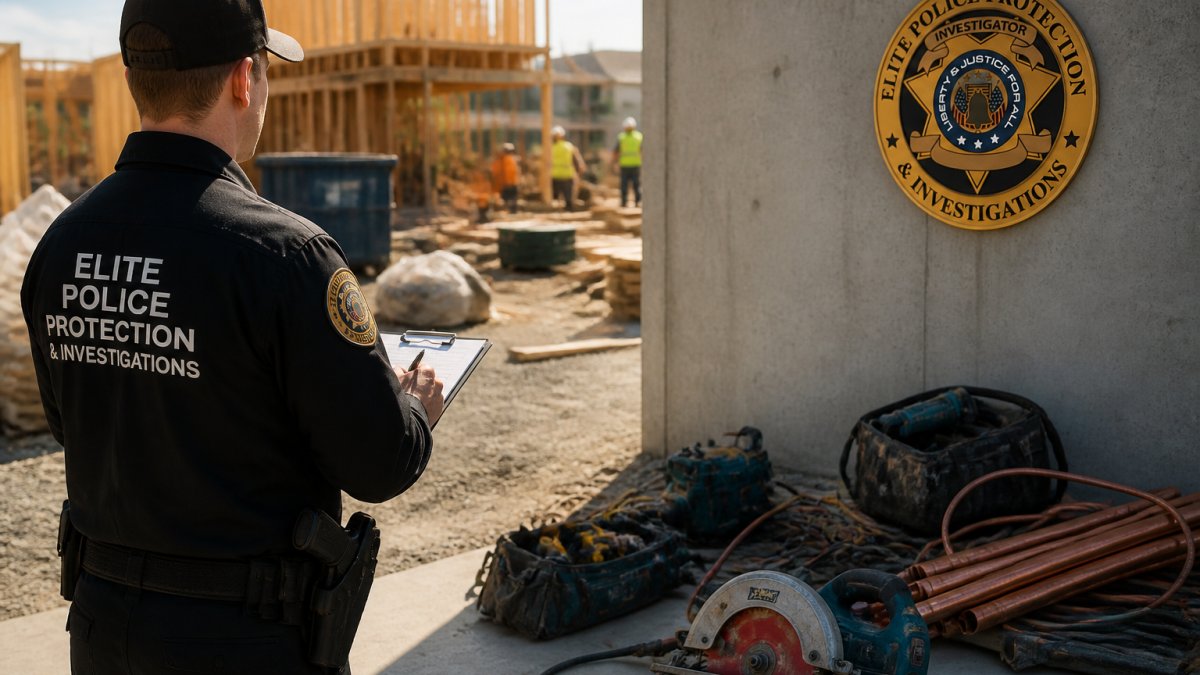
- Construction sites with valuable equipment and no perimeter control
- Warehouses and distribution centers with high-value inventory
- Jewelry, cannabis, and firearms retailers
- Houses of worship and schools that have received credible threats
Situations Where Unarmed Guards Usually Fit Better
- Office buildings and professional campuses
- Gated communities with low incident history
- Events with controlled entry and screened guests
- Sites that mainly need visitor logging and patrols
- Retail environments where a visible firearm would alarm the customer base
Armed Security Guard Qualifications: What to Verify
Armed security guard qualifications vary by state, so the first thing to check is your local licensing rules. Most states require armed officers to hold a specific license, complete firearm training, and pass a background check. Requirements differ, so confirm them with your state's licensing authority before you hire.
state security guard licensing requirements
Ask for proof, not promises. A qualified armed officer should be able to show:
- A current state-issued armed security license
- Completed firearm training and qualification records
- A clean background check
- Proof of insurance coverage
- Documentation of ongoing refresher training
De-escalation training matters as much as firearm skill. The best armed officers rarely draw a weapon. They talk situations down, control space, and use force only as a last resort.
Pros and Cons of Armed Guards: A Balanced Look
Armed guards offer strong deterrence and fast response, but they also carry higher cost and greater liability. Weigh both sides honestly before you commit.
Pros:
- Strong deterrence against violent crime
- Immediate response to active threats
- Protection of people, assets, and reputation
- Confidence for staff working late or in isolated areas
Cons:
- Higher cost than unarmed coverage
- Greater liability and insurance requirements
- Requires careful vetting and ongoing training
- Can feel intimidating to customers if poorly managed
The pros usually outweigh the cons at high-risk sites. At low-risk sites, they often do not.
How to Vet an Armed Security Provider Before You Sign
Vetting a provider comes down to four checks: licensing, insurance, staffing, and how the officer integrates with the security systems you already own. Get all four in writing before you sign anything. Most buyers stop at the first two and regret it later.
1. Licensing and Regulatory Compliance
Confirm the company holds a current state security license, and confirm each armed officer holds an individual armed guard license or registration where your state requires one. Ask to see the license numbers, not just a certificate of insurance. Verify them with your state's licensing authority, a legitimate provider will hand over the numbers without hesitation.
state security guard licensing requirements
2. Insurance and Liability Coverage
Ask for a certificate of insurance and read the limits, not just the presence of coverage. At minimum, look for general liability and a professional liability or errors-and-omissions policy. Confirm whether the provider carries coverage for use-of-force incidents specifically, and whether your business is named as an additional insured. If the provider cannot produce a certificate on request, walk away.
3. Staffing, Screening, and Supervision
A provider is only as good as the officer who shows up at 2 a.m. Ask:
- How are officers screened before hire, background check, drug screen, psychological evaluation?
- What firearm training and re-qualification schedule do armed officers follow?
- Who supervises the post overnight, and how often does a supervisor visit in person?
- What is the call-out and replacement procedure if an officer does not show?
- How are officers trained on de-escalation and use-of-force limits?
Get the answers in writing. Verbal assurances do not survive a shift change.
4. Incident Reporting and Documentation
Ask exactly what you receive after an incident, and how fast. A workable standard is a written incident report delivered within 24 hours, with a verbal notification within one hour for any use-of-force event, arrest, or injury. Confirm whether reports are delivered through a client portal, by email, or on paper, and whether you retain access to the records after the contract ends.
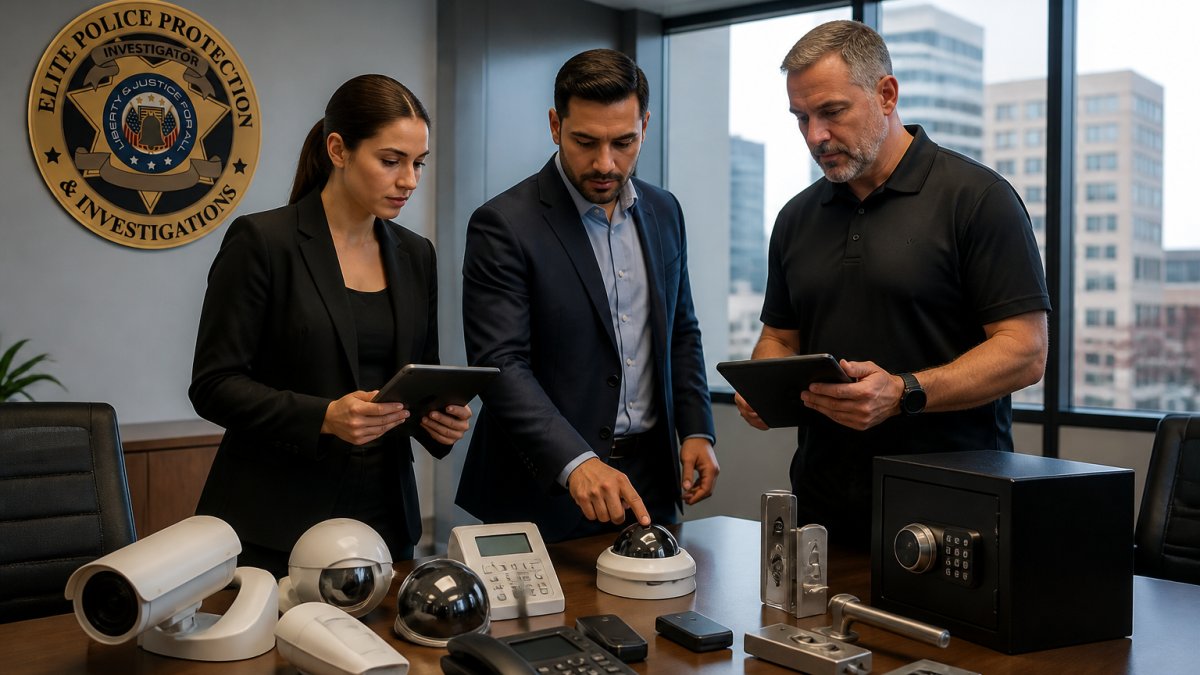
5. Integration With Your Existing Security Systems
An armed officer is one layer of a security program, not the whole program. Ask how the officer will coordinate with:
- Access control and badge systems
- Camera coverage and monitoring
- Alarm panels and duress buttons
- Your emergency action plan and evacuation procedures
- Local law enforcement and first responders
A provider who has never asked about your camera layout or alarm zones is not planning to integrate, they are planning to stand at a door.
6. Contract Terms and Service-Level Expectations
Before signing, confirm in the contract:
- Post orders that describe the specific duties at your site
- Response and notification timelines for incidents
- Supervision frequency and how it is documented
- Termination and transition terms if you change providers
- Whether the provider will substitute a different officer without your approval
Questions Worth Asking
The questions worth asking are boring ones. How do you ensure guards show up every shift? What happens if an officer calls out? Who supervises the post at 2 a.m.? How do you document that a patrol actually happened?
At Elite Police Protection, our officers are off-duty, retired, or prior law enforcement professionals, available 24/7. Clients get real-time access to approved reports and patrol data through our monitoring portal. We also field K9 teams and can handle private investigations when a site needs more than a guard post.
Frequently Asked Questions
Why would a business hire armed security guards?
Businesses hire armed security guards when the risk of violent threats, theft, or intruders is high enough that an unarmed guard cannot respond effectively. Armed officers provide visible deterrence, rapid response to active threats, and protection for employees, customers, and assets. Sites like banks, bars, healthcare facilities, and construction yards often face heightened risk. Elite Police Protection staffs prior law enforcement professionals who bring situational awareness and conflict resolution skills to these environments.
When should you hire armed security instead of unarmed security?
Choose armed coverage when your site handles cash, valuable inventory, controlled substances, or has a documented history of violent incidents. Unarmed guards work well for access control, customer service, and low-risk patrols. A threat assessment and risk level review should drive the decision. If your site has had intruders, vandalism, or violent threats in the past year, armed coverage is worth evaluating. Elite Police Protection can help assess which option fits your property.
What qualifications should an armed security guard have?
Armed security guard qualifications vary by state but typically include a valid security license, firearm permit, completion of a state-approved training course, and a clean background check. Many employers prefer prior law enforcement or military experience. Guards should also have de-escalation training, self-defense training, and knowledge of use-of-force limits. Elite Police Protection deploys off-duty, retired, or prior law enforcement professionals who meet these standards and receive ongoing specialized training.
What are the risks or drawbacks of armed security guards?
The main drawbacks include higher cost compared to unarmed guards, increased liability if use-of-force incidents occur, and the need for rigorous training and insurance coverage. Armed guards also require careful screening to avoid hiring unqualified personnel. These risks are manageable when you work with a licensed provider that carries proper insurance, documents incident reporting, and enforces de-escalation protocols. Elite Police Protection addresses these concerns with vetted personnel and clear post-incident procedures.