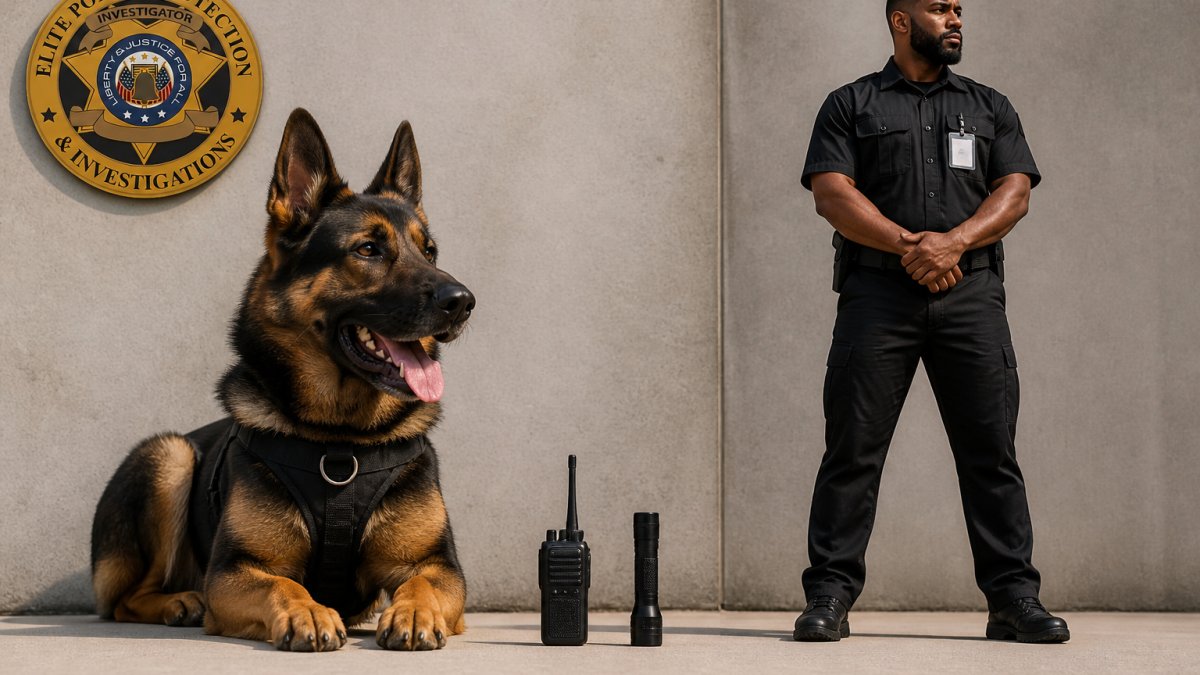
 comparison
Uniformed vs Unarmed Security Guards for Effectiveness
Last Updated: October 27, 2026
Quick Summary
Uniformed security guards and unarmed guards are not the same choice, because uniform describes how a guard looks while armed or unarmed describes whether they carry a firearm. Uniformed security guards make an officer visible and identifiable, and the right pick depends on your site's needs, assets, incident history, and contractual requirements.
- Uniformed describes appearance, while armed or unarmed describes whether a firearm is carried.
- Nuisance trespassing, shoplifting, and customer-service friction do not justify armed coverage.
- Armed officers command higher wages because of training and licensing requirements.
- Compare security proposals on total cost, including licensing, training, insurance, and supervision, not just hourly rate.
- Run a personal security risk assessment to document assets, threats, and vulnerabilities before deciding.
Table of Contents
- How Uniformed and Unarmed Guards Differ in Practice
- Deterrence: Does Visible Uniform Presence Stop Incidents?
- Unarmed Security Guard Benefits for Routine Coverage
- When to Hire Armed Security Guards
- Armed Security Guard Costs and What You Actually Pay For
- Running a Security Guard Risk Assessment Before You Choose
- Booking the Right Coverage for Your Site
- Frequently Asked Questions
Choosing between uniformed security guards and unarmed options involves considering your site's needs. This guide from Elite Police Protection discusses the distinction between uniformed and armed or unarmed officers.
How Uniformed and Unarmed Guards Differ in Practice
Uniformed and unarmed are not the same thing. A uniform describes how a guard looks. Armed status describes whether the guard carries a firearm. A guard can be uniformed and unarmed, uniformed and armed, or wear plain business attire and carry a weapon.
Elite Police Protection offers uniformed or business-attired armed and unarmed officers.
Consider visibility and armed status as separate questions when assessing your site's needs.
The article distinguishes two separate questions to weigh when choosing a guard:
| Question | What it describes | Example |
|---|---|---|
| Uniformed or not | How the guard looks | Uniform or business attire |
| Armed or unarmed | Whether the guard carries a firearm | Armed or unarmed officer |
| Combined | Both answers together | Uniformed and unarmed, or armed in business attire |
Deterrence: Does Visible Uniform Presence Stop Incidents?
A visible uniform makes an officer identifiable. Uniformed security guards are one option to consider when assessing site security.
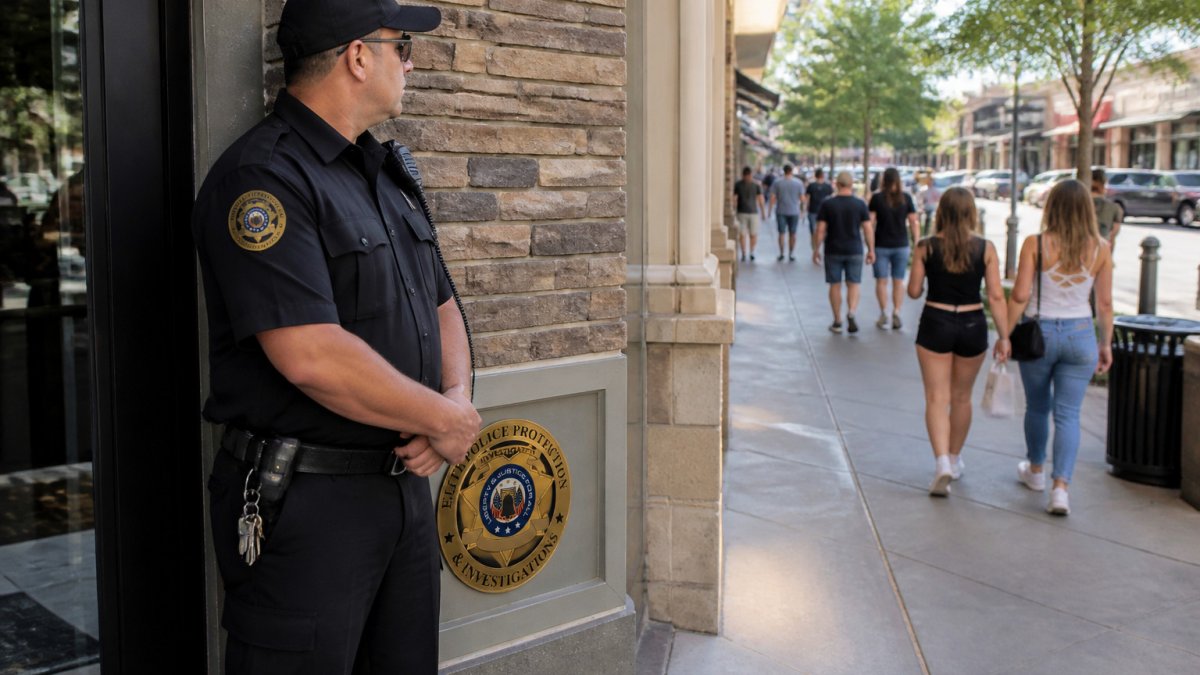
Consider visibility when assessing where security coverage may be needed.
Consider how security personnel fit into your site's overall security planning.
Unarmed Security Guard Benefits for Routine Coverage
When considering unarmed coverage, assess your site's needs and the duties you want security personnel to perform.
When to Hire Armed Security Guards
Armed and unarmed coverage are different options to consider in light of your site's needs.
Triggers that justify armed coverage
Consider your site's assets, incident history, location, contractual requirements, and potential consequences when assessing security needs.
Triggers that do not justify armed coverage
- Nuisance trespassing, loitering, or quality-of-life complaints.
- Shoplifting and opportunistic retail theft.
- Customer-service friction, tenant disputes, or crowd management.
- Sites where the guard's main job is observation and reporting.
Assess the site's specific needs before choosing between armed and unarmed coverage.
The escalation-risk trade-off
Consider how armed status relates to your site's needs when evaluating coverage options.
Verify the legal layer before you commit
Requirements can depend on the applicable jurisdiction. Check official sources for current requirements that apply to your site.
If you are weighing this decision now, these resources can help:
- Read the Why Hire Armed Security Guards: 6 Reasons for 2026 breakdown of common triggers.
- Review the armed security guard service structure and hiring process before committing.
- Compare the upgrade criteria for moving from unarmed to armed coverage to see where the thresholds fall.
Consider the specific threats you want security coverage to address when assessing your options.
Armed Security Guard Costs and What You Actually Pay For
When comparing security proposals, consider the full scope of what each proposal includes, not only its hourly rate.
The cost components behind every armed guard rate
- Wages and payroll burden. Armed officers command higher wages than unarmed officers because of training and licensing requirements. Payroll taxes, workers' compensation, and benefits are layered on top.
- Licensing and permits. Firearm permits, guard registration, and any state or local licensing fees are real costs that a compliant provider passes through. Ask whether the quote includes them or bills them separately.
- Training. Firearms qualification, use-of-force training, de-escalation, and recurring requalification all carry cost. Training frequency is a quality signal, a provider that requalifies annually is spending more than one that does not.
- Insurance. General liability, professional liability, and firearms-related coverage carry higher premiums for armed posts. Request the certificate of insurance and confirm the limits apply to armed assignments.
- Supervision and management. Field supervisors, scheduling, and post-incident review are overhead that shows up in the rate. A low rate with no supervision layer often means the guard is unsupervised.
- Equipment. Firearms, duty belts, body armor, radios, and uniforms are either amortized into the rate or billed as a setup fee. Clarify which.
- Replacement and no-show coverage. A provider that guarantees coverage when a guard is absent is charging for that reliability. A cheaper provider may leave a post empty.
Total cost of ownership versus hourly rate
When comparing proposals, consider the coverage and terms each one describes.
Where unarmed coverage wins on cost
Compare armed and unarmed coverage in light of your site's needs and the terms of the proposals.
Where armed coverage earns its premium
Consider your site's needs when evaluating armed and unarmed coverage.
For current pricing, contact Elite Police Protection directly for a quote tailored to your site. Ask for the itemized breakdown above so you can compare proposals on total cost rather than hourly rate.
Running a Security Guard Risk Assessment Before You Choose
When assessing your site's security needs, consider the assets you want to protect, relevant incident history, potential threats, and site vulnerabilities. Walk through a step-by-step personal security risk assessment to document these considerations before you decide. Documenting your considerations can help inform your staffing decision.
Booking the Right Coverage for Your Site
Consider your facility type and its security needs when evaluating coverage.
Elite Police Protection provides uniformed security guards, including armed and unarmed officers. Contact the team to discuss your needs.
Before proceeding, discuss the coverage details and reporting needs relevant to your site.
Frequently Asked Questions
Are uniformed security guards more effective than unarmed guards?
Uniformed status and armed status are separate questions. Elite Police Protection offers uniformed or business-attired armed and unarmed officers. Consider your site's needs when evaluating these options.
What is the difference between a uniformed guard and an unarmed guard?
Elite Police Protection offers uniformed or business-attired armed and unarmed officers.
Do unarmed security guards deter crime?
Elite Police Protection offers armed and unarmed officers. Consider your site's needs when evaluating coverage options.
When should a business hire armed security guards?
Elite Police Protection offers armed and unarmed officers. Consider your site's needs when evaluating coverage options.