 listicle
Best Armed Security for Retail: 2026 Guide
Table of Contents
- Why Armed Security Matters for Retail Operations
- Armed vs Unarmed Security for Retail: When Each Makes Sense
- Retail Security Officer Duties and Responsibilities
- Retail Security Risk Assessment: Building Your Security Plan
- Elite Police Protection: Armed Security Built on Law Enforcement Expertise
- Retail Security Services Cost: Budget Factors and Value
- How to Select Qualified Armed Security Personnel
- Measuring Security Effectiveness and Guard Performance
- Frequently Asked Questions
Last Updated: October 19, 2026
Why Armed Security Matters for Retail Operations
Retail theft and security incidents cost businesses billions annually. Armed officers provide a visible deterrent unarmed personnel cannot match, reducing internal and external theft and liability exposure while signaling that your location takes security seriously.
For retail managers deciding on the best armed security for retail, the armed-versus-unarmed decision hinges on risk profile.
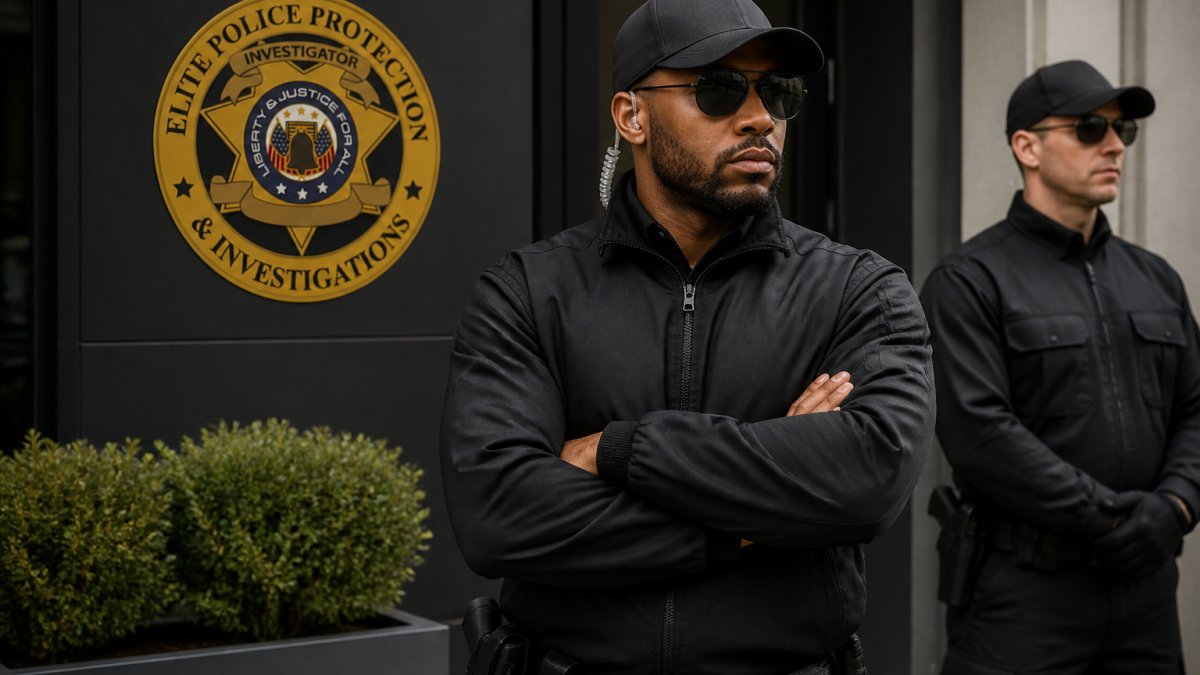
Elite Police Protection specializes in armed security built on law enforcement expertise. Our officers come from retired, off-duty, and prior law enforcement backgrounds, bringing tactical experience and decision-making honed through years of professional service, which matters when a situation escalates beyond what an unarmed guard can safely manage.
Armed security costs more than unarmed alternatives, but that investment often pays for itself through loss prevention, reduced shrinkage, and the liability protection that comes with proper training and professional response protocols.
Armed vs Unarmed Security for Retail: When Each Makes Sense
Unarmed security works best for general deterrence and customer service roles. Unarmed officers excel at monitoring, checking IDs, managing foot traffic, and handling minor disturbances, appropriate for lower-risk environments and locations where the primary threat is shoplifting rather than violent crime.
Armed security becomes necessary when risk escalates. High-value inventory (electronics, jewelry, luxury goods), cash-intensive operations, locations with documented crime patterns, or facilities handling controlled substances all justify armed personnel.
The distinction matters legally and operationally. Armed officers carry liability and use-of-force considerations unarmed personnel don't, requiring additional licensing, training, and insurance.
Consider your actual threat landscape. If shoplifting and customer behavior are your primary concerns, unarmed security may suffice.
Retail Security Officer Duties and Responsibilities
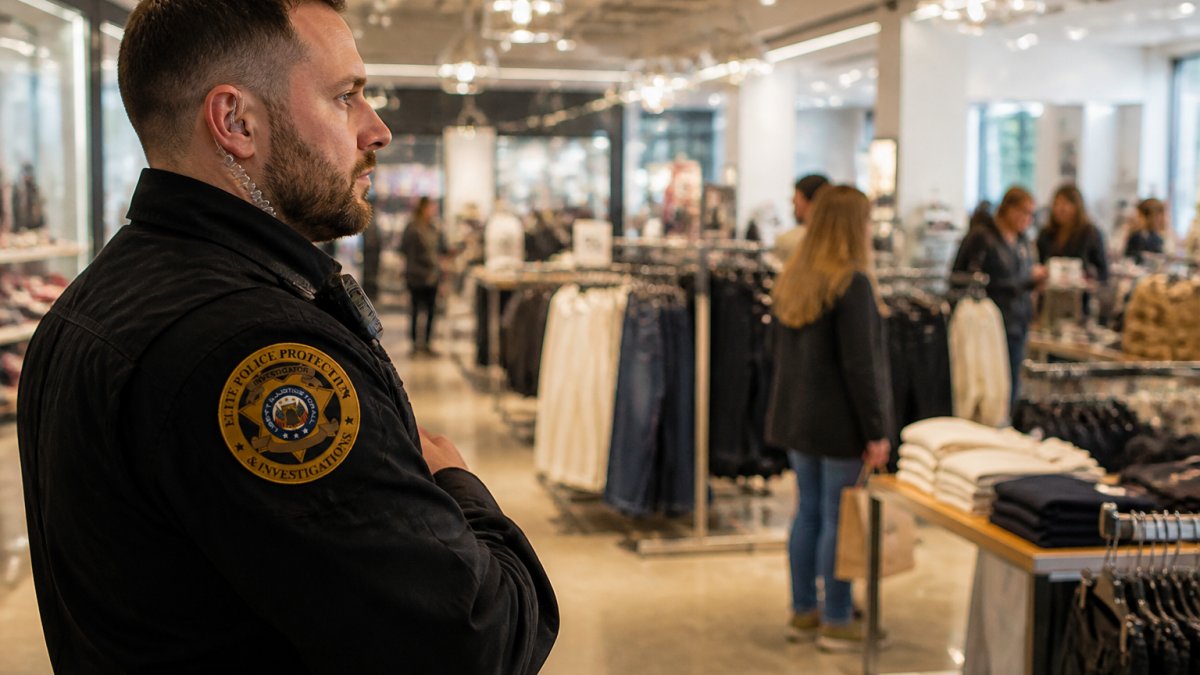
A retail security officer's core duties include monitoring store areas, watching for suspicious behavior, responding to incidents, and protecting merchandise and personnel. Armed officers carry these responsibilities plus the authority and obligation to use force when legally justified.
Standard duties include:
- Continuous monitoring of sales floors, fitting rooms, storage areas, and entrances
- Checking bags and packages as customers leave
- Responding to suspected shoplifting or internal theft
- Managing customer conflicts and aggressive behavior
- Documenting incidents and preparing reports
- Coordinating with local law enforcement when needed
- Protecting cash handling areas and high-value inventory
- Monitoring security cameras and alarm systems
- Conducting regular patrols during operating hours
Armed officers add specialized responsibilities: understanding use-of-force law, de-escalation techniques, and when lethal force is legally justified. They document incidents more thoroughly because armed incidents carry higher liability, serve as a stronger deterrent, and can respond to armed threats that would require law enforcement for unarmed personnel.
Security quality depends entirely on the officer's training, judgment, and professionalism. An undertrained guard with a weapon is a liability; a well-trained officer with law enforcement experience prevents incidents from occurring in the first place.
Retail Security Risk Assessment: Building Your Security Plan
Before selecting armed security, conduct a thorough risk assessment of your retail location to identify specific vulnerabilities and justify the investment in armed personnel.
Key factors to evaluate:
- Merchandise value and theft history, What's your shrinkage rate? Are you losing high-ticket items or low-value goods? Jewelry stores and electronics retailers face different threats than clothing retailers.
- Location and crime data, Check local crime statistics. High-crime areas justify armed security; low-crime areas may not.
- Cash handling, How much cash moves through your location daily? Cash-intensive operations attract robbery.
- Hours of operation, Late-night or 24-hour operations face higher risk than daytime-only retailers.
- Documented incidents, Have you experienced shoplifting, robbery, employee theft, or violent incidents? Historical data guides future decisions.
- Customer base and foot traffic, High-traffic locations attract more incidents. Venues with alcohol service face different risks than dry retailers.
- Building layout, Multiple exits, blind spots, and poor sightlines increase vulnerability. A compact, visible layout is easier to secure.
- Existing security measures, What cameras, alarms, and access controls are in place? Armed security complements technology.
A professional assessment goes deeper.
This assessment drives staffing decisions. A small boutique may need one armed officer during peak hours. A large retail center may need multiple officers covering different zones and shifts. The assessment prevents both over-spending on unnecessary security and under-investing in critical areas.
Elite Police Protection: Armed Security Built on Law Enforcement Expertise
Elite Police Protection delivers armed security specifically designed for retail and commercial environments.
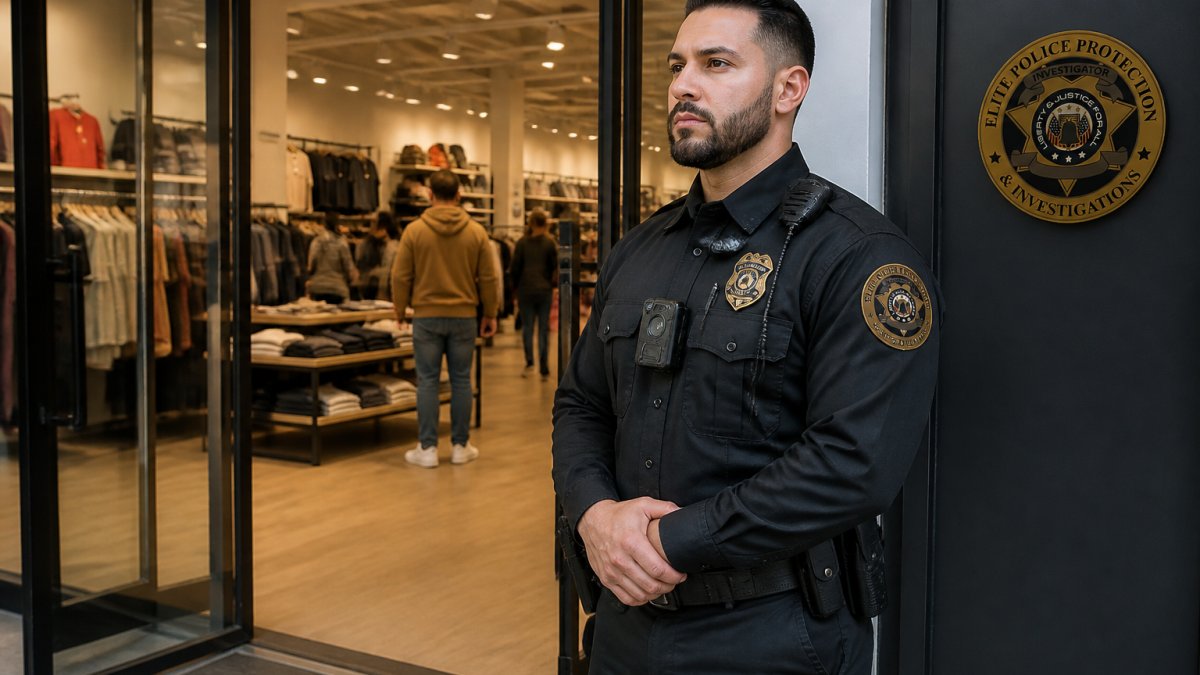
What separates law enforcement-trained officers from generic security personnel is situational awareness and judgment.
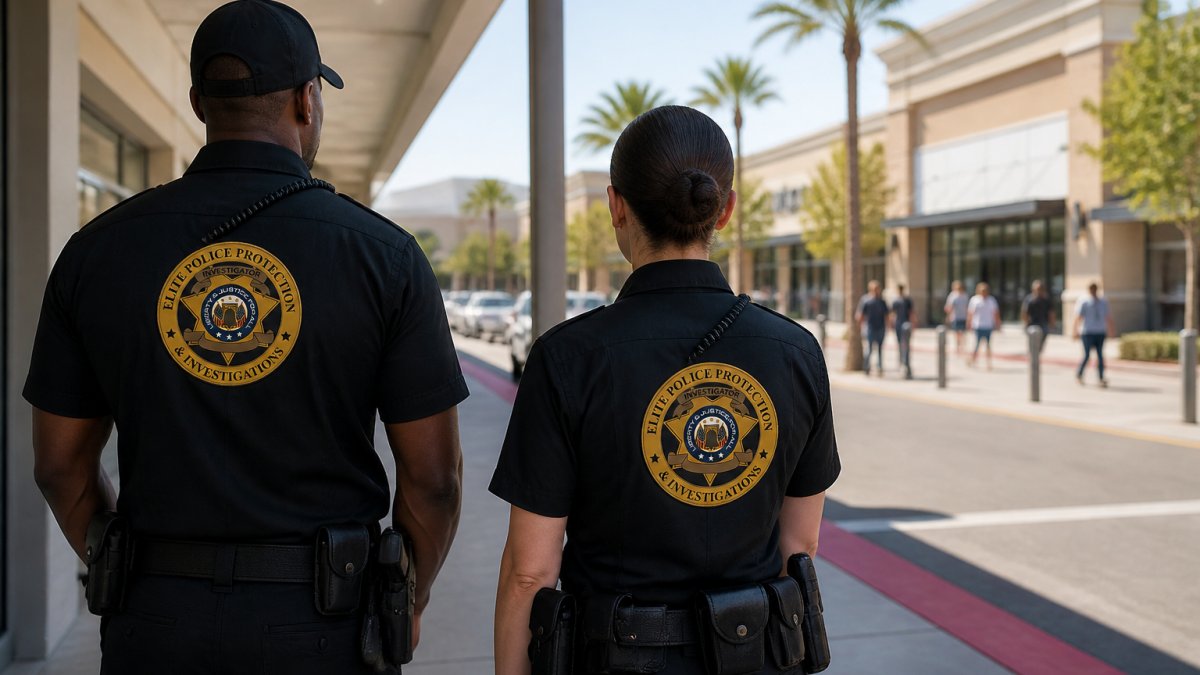
Our service model includes 24/7 availability for retail locations that operate extended hours or need coverage across multiple shifts. We deploy officers in uniform or business attire depending on your brand positioning.
We provide real-time access to patrol data and incident reports through our advanced guard monitoring system with client portal access.
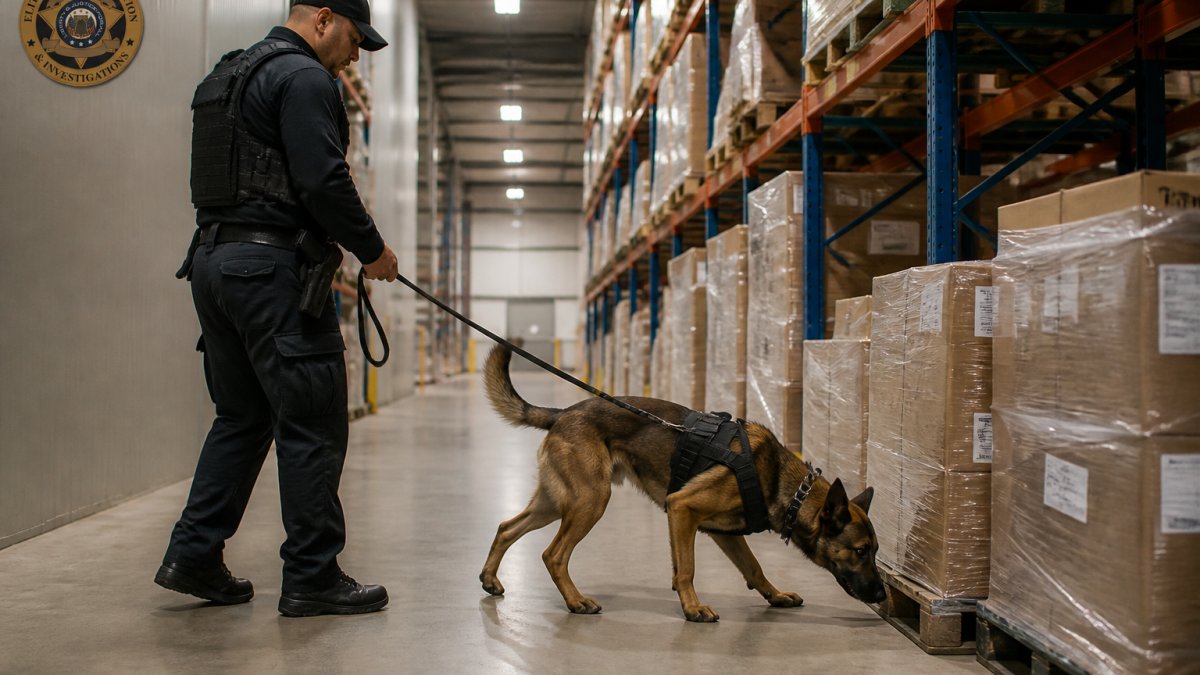
Our K9 teams add another layer of capability for larger retail centers or facilities with special security needs.
Law enforcement expertise pays for itself through loss prevention, reduced liability exposure, and the confidence that trained professionals are protecting your location.
Retail Security Services Cost: Budget Factors and Value
Armed security pricing depends on factors specific to your location and needs. Rather than stating a single figure, understand what drives costs so you can build an accurate budget.
Factors affecting armed security pricing:
- Number of officers required, A single officer costs less than multiple officers, but your location's size and hours determine actual need.
- Hours of coverage, 24/7 coverage costs more than peak-hours-only. Overnight shifts typically cost more per hour than daytime coverage.
- Officer qualifications, Law enforcement-trained officers cost more than generic security, but they deliver better outcomes and lower liability.
- Equipment and technology, Advanced monitoring systems, real-time reporting portals, and K9 teams add value and cost.
- Geographic location, Labor costs vary by region. Urban areas typically cost more than suburban locations.
- Contract length, Longer-term commitments often provide better pricing than month-to-month arrangements.
- Special requirements, Executive protection, investigations, or specialized threat response command premium pricing.
Industry benchmarks suggest armed security hourly rates are a general guideline; your actual cost depends on your specific situation.
The real question isn't "What does armed security cost?" but "What's the cost of inadequate security?" Retail theft, incident liability, and reputational damage from security failures often exceed the cost of professional armed protection.
Request a detailed quote from Elite Police Protection based on your specific retail location, hours, and security needs. A professional assessment provides accurate pricing tied to actual value delivery, not generic hourly rates.
How to Select Qualified Armed Security Personnel
Selecting the best armed security for retail requires evaluating credentials, training, and professional judgment, not all armed officers are equally qualified.
Verify these qualifications:
- Law enforcement background, Prior or off-duty law enforcement experience is essential. Ask for verification of service, rank, and years of experience.
- Licensing and certifications, Armed security requires state licensing. Verify current licensure and any special certifications (advanced tactics, K9 handling, investigations).
- Firearms training, Proficiency requires documented training from recognized programs. Ask about qualification records and recertification schedules.
- Background investigation, Reputable providers conduct thorough background checks. You should require evidence of this before deployment.
- Insurance and bonding, Professional security companies carry liability insurance. Verify coverage levels and that your location is listed as an insured party.
- References and track record, Ask for references from other retail locations they've protected. Speak directly with current clients about reliability and professionalism.
- De-escalation training, Armed officers should have formal training in conflict de-escalation, not just firearms. This prevents unnecessary escalation.
- Consistency and accountability, Does the provider guarantee the same qualified officers, or do you get whoever's available? Consistency matters for building effective security.
A critical question many retailers ask: "How do I know your guards will actually show up?" Reliability is non-negotiable. Elite Police Protection commits to consistent staffing with pre-assigned officers, not rotating personnel based on availability. This consistency builds relationships, improves situational awareness, and ensures accountability.
Interview potential providers directly. Ask about their hiring process, training standards, and how they ensure officer quality over time. The cheapest provider often cuts corners on training and reliability; the best invests in officer development and maintains high standards.
Measuring Security Effectiveness and Guard Performance
Security effectiveness isn't abstract, you can measure it through concrete metrics that show whether your investment is working.
Track these performance indicators:
- Shrinkage reduction, Compare inventory loss before and after armed security deployment. Meaningful security should reduce theft.
- Incident response time, How quickly do officers respond to alarms, suspicious activity, or customer conflicts? Faster response prevents escalation.
- Incident documentation, Are incidents properly documented with actionable details? Poor documentation suggests inadequate training.
- Absence of no-shows, Does your assigned officer show up reliably, or do you regularly get replacements? Consistency is a performance metric.
- Customer feedback, Do customers feel safer? Professional security enhances experience; unprofessional security creates tension.
- Law enforcement coordination, When police are needed, does your security officer communicate effectively? This indicates training quality.
- Reduction in liability claims, Professional security reduces incidents that lead to lawsuits. Track claims before and after.
Request regular reporting from your security provider. Elite Police Protection provides real-time access to patrol data, incident reports, and performance metrics through our client portal.
Don't accept vague assurances. Demand specific data. If your security provider can't show measurable improvement in theft reduction, incident response, or operational safety, the service isn't delivering value.
| Performance Metric | How to Measure | Target Outcome |
|---|---|---|
| Shrinkage Reduction | Compare inventory loss year-over-year | 15-30% reduction in theft |
| Response Time | Document time from incident to officer response | Under 2 minutes for on-site incidents |
| Incident Documentation | Review quality and detail of incident reports | Actionable reports suitable for law enforcement or legal proceedings |
| Officer Consistency | Track assignment changes and no-shows | Same qualified officer assigned to your location |
| Customer Safety Perception | Gather customer feedback on security presence | Positive feedback; customers feel protected |
| Liability Claims | Track security-related incidents and claims | Reduction in incidents leading to claims |
Retail security requires matching your protection level to your actual risk.
Elite Police Protection delivers armed security built on law enforcement expertise. Our officers bring real tactical training, professional judgment, and 24/7 availability.
OSHA workplace violence prevention guidelines National Retail Federation loss prevention research FBI guidance on armed security and use of force law
Frequently Asked Questions
What qualifications should armed security guards have for retail stores?
Armed security for retail requires state licensing, firearms certification, and background clearance. Look for guards with law enforcement training or prior experience. Professional firms like Elite Police Protection staff off-duty or retired law enforcement professionals who bring advanced situational awareness and conflict resolution skills. Verify certifications, insurance coverage, and ongoing training records before hiring.
When should a retail store consider armed security?
Armed security becomes appropriate when retail locations face high-value inventory theft, cash handling exposure, violent crime patterns in the area, or previous incidents. Luxury retailers, convenience stores, and high-traffic locations in crime-prone zones benefit most. Conduct a risk assessment with a qualified security provider to determine if armed presence is necessary versus unarmed guards with technology support.
How much does armed security for a retail store cost?
Retail armed security pricing depends on location, hours, guard qualifications, and deployment strategy. General market rates vary, though premium providers with law enforcement backgrounds may cost more. Factors include whether coverage is full-time, part-time, or event-based, and whether the provider includes monitoring, K9 teams, or investigative services. Request a custom quote based on your specific retail security needs.
What is the difference between armed and unarmed retail security?
Armed guards carry firearms and handle high-risk incidents, theft prevention, and active threats. Unarmed guards manage access control, customer service, and routine patrols. Armed security costs more due to licensing, training, and liability. Unarmed guards work well for general deterrence and customer-facing roles. Many retailers use both: armed guards for high-risk areas and unarmed officers for customer interaction and monitoring.
How can retail stores measure the effectiveness of security guards?
Track metrics like incident response time, theft reduction, customer incident reports, and guard reliability. Advanced systems provide real-time patrol data and incident logs. Elite Police Protection offers client portal access to approved reports and patrol data, enabling transparency and performance measurement. Compare pre- and post-deployment metrics: reduced shrinkage, fewer incidents, and improved staff confidence indicate effective security.