 how-to
Get a Professional Security Guard Quote: A Buyer's Guide
Table of Contents
- Why You Need a Professional Security Guard Quote
- Understanding Armed vs. Unarmed Security Guard Costs
- Key Factors Affecting Security Guard Hourly Rates
- How to Vet a Security Guard Company Before Hiring
- Using a Security Guard Request for Proposal Template
- Contract Negotiation and Liability Protection
- Getting Your Security Guard Quote and Next Steps
Last Updated: August 28, 2026
Why You Need a Professional Security Guard Quote
Getting a professional security guard quote clarifies your actual security needs and ensures transparent accountability. Many property managers request quotes without specifying requirements, leading to either overpaying for unnecessary services or underpaying for inadequate protection.
A detailed quote forces both you and the security provider to articulate specific needs: coverage hours, service type (armed versus unarmed), site-specific risks, and response protocols. It creates accountability by documenting service specifications, liability insurance coverage, personnel qualifications, and escalation procedures. When incidents occur, you have a documented agreement to reference.
Elite Police Protection helps facilities move beyond generic security to strategic, professional protection. The process starts with understanding what a comprehensive quote should contain and why certain factors drive costs.
Understanding Armed vs. Unarmed Security Guard Costs
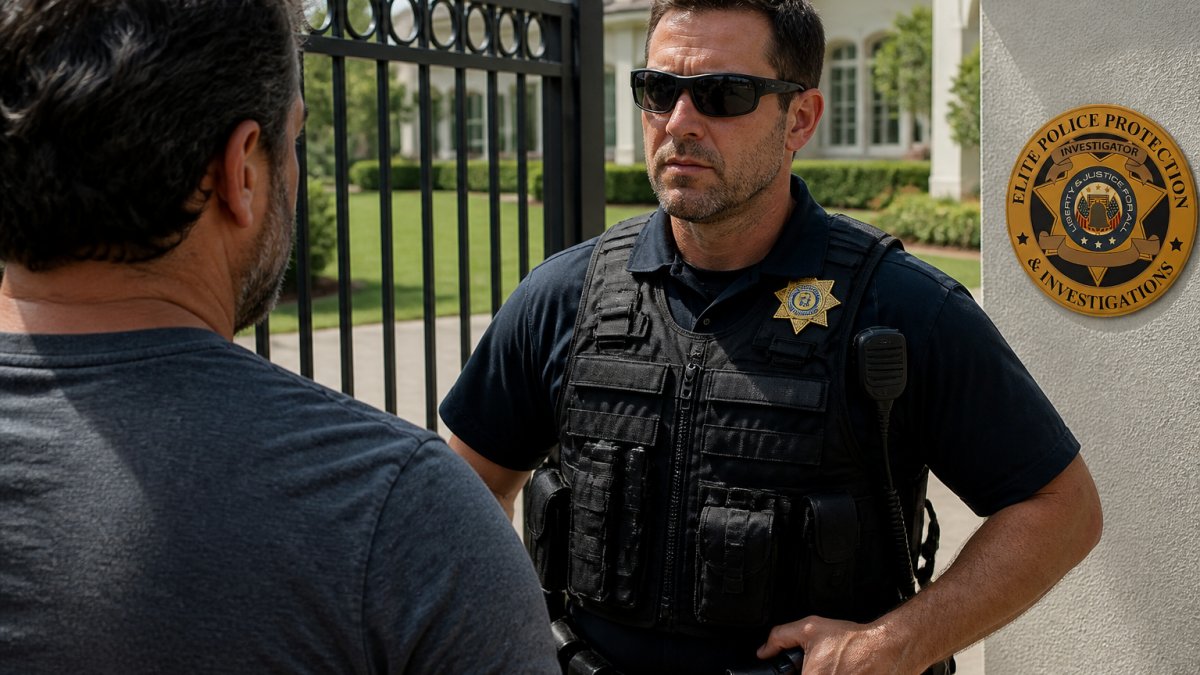
The choice between armed and unarmed security officers affects pricing, liability exposure, incident response capability, and deterrent effect.
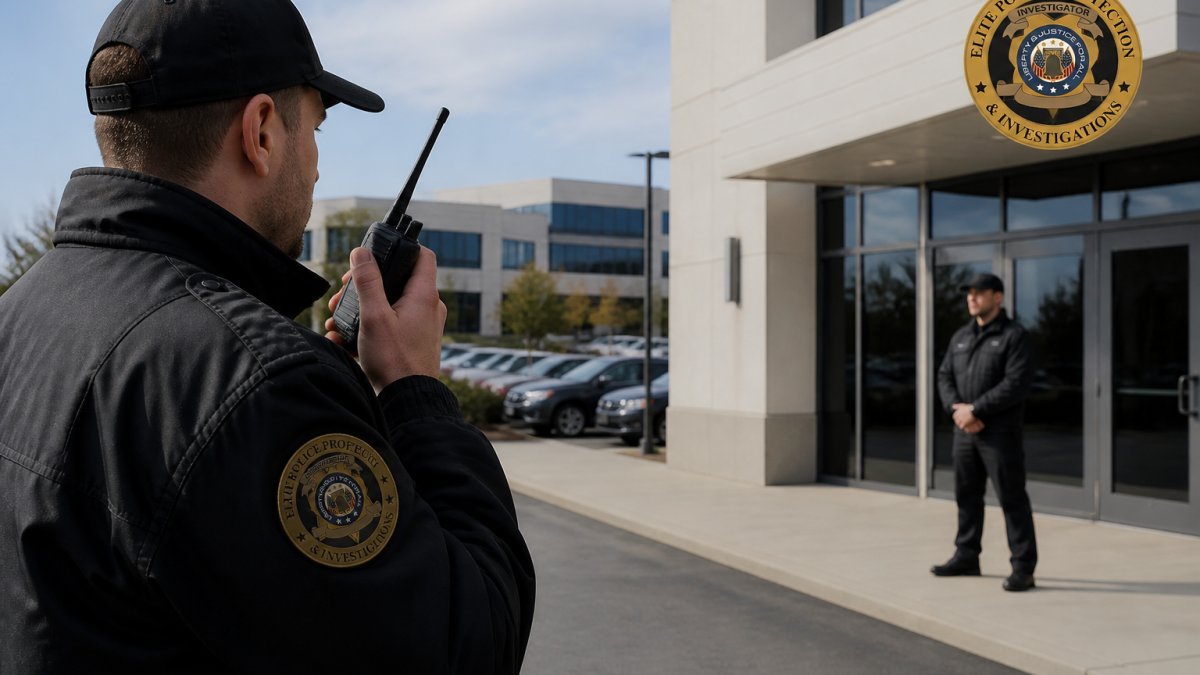
Unarmed security officers provide visible presence and perform access control, surveillance monitoring, incident reporting, and conflict de-escalation. They're appropriate for retail environments, apartment communities, office buildings, and events where the primary goal is deterrence and loss prevention. Unarmed officers typically require less specialized licensing, which can influence quote pricing.
Armed security guards are trained law enforcement professionals or retired officers who respond to active threats, provide executive protection, and manage high-risk situations. They're essential for facilities handling cash, high-value assets, or operating in high-crime areas. Armed officers command higher hourly rates due to specialized training, certification requirements, rigorous background checks, and increased liability insurance (bls.gov).
For certain facilities, jewelry stores, cannabis retailers, behavioral health facilities, or executive protection assignments, the armed option is necessity, not luxury. When reviewing your security guard quote, view armed versus unarmed as a risk assessment decision. If your facility has experienced theft, violence, or threats, or if asset value justifies it, the armed option becomes cost-effective risk mitigation.
Key Factors Affecting Security Guard Hourly Rates
Your security guard quote varies based on multiple factors beyond guard type.
Service type and specialization directly impact hourly rates. Standing officers at fixed locations cost less than mobile patrols. Event security differs from 24/7 facility monitoring. Executive protection or K9 services command premium rates due to specialized training and higher liability coverage.
Coverage hours and frequency matter significantly. Daytime-only coverage costs less than 24/7 protection. Weekend and holiday coverage typically costs more due to staffing constraints.
Location and facility size influence costs. Urban areas have higher labor costs than rural regions. A 500,000-square-foot warehouse requires different coverage than a 5,000-square-foot retail shop.
Personnel qualifications affect the quote. Off-duty law enforcement officers, retired police professionals, and officers with specialized certifications cost more than entry-level personnel.
Liability insurance and bonding add to provider costs. Comprehensive general liability coverage and employee bonding protect you if incidents occur.
Technology integration can increase quote pricing. Real-time patrol data access, incident reports, guard monitoring systems with client portal access, or integration with existing security infrastructure adds cost. Elite Police Protection's advanced guard monitoring system provides real-time visibility into patrol activities and approved reports, justifying higher pricing than basic guard placement.
How to Vet a Security Guard Company Before Hiring
Before committing to any security guard quote, evaluate whether the provider can deliver on promises.
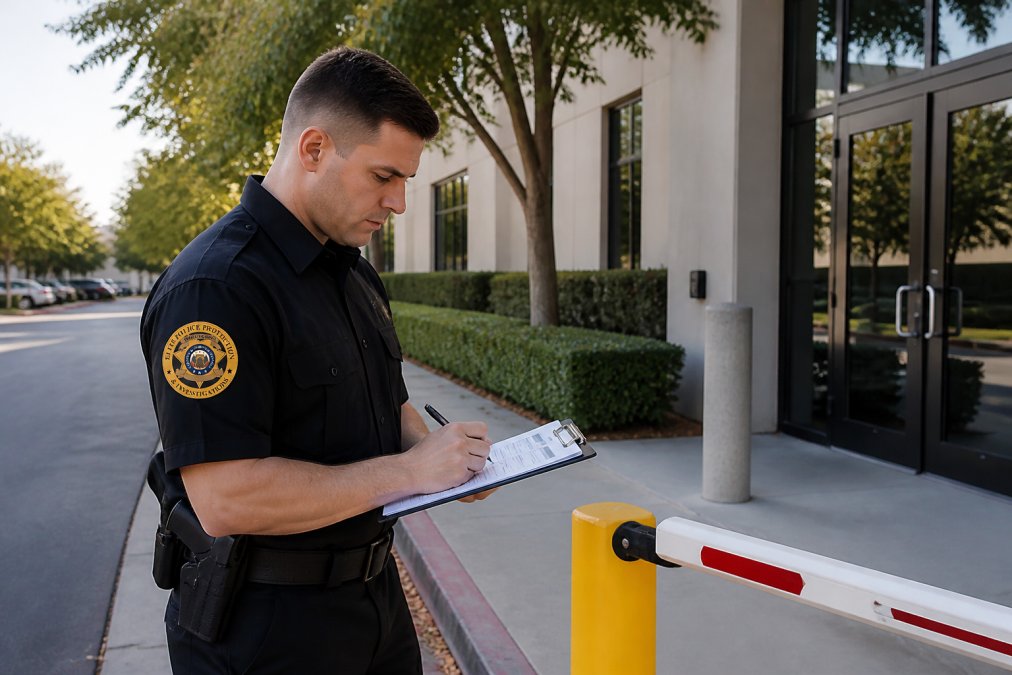
Verify licensing and compliance. Ask the provider to demonstrate that officers hold valid security guard licenses and required certifications. Request proof of liability insurance and workers' compensation coverage. Hesitation is a red flag.
Check background verification processes. Ask how the provider screens personnel and what background check standards they use. Do they conduct fingerprint-based criminal background checks? Verify employment history and references? Elite Police Protection employs off-duty and retired law enforcement professionals, ensuring higher-caliber personnel.
Evaluate training and ongoing development. A reputable security guard quote should reflect ongoing training investment (iacp.org). Ask about initial training, continuing education requirements, and facility-specific training in conflict de-escalation, emergency response, and technology systems.
Request references from similar facilities. Call three to five references and ask about no-shows, response times, professionalism, and whether quoted service matched actual delivery.
Assess their understanding of your specific risks. When a provider reviews your facility, do they ask intelligent questions about vulnerabilities? A thorough security assessment demonstrates strategic thinking, not just guard placement.
Review incident reporting and accountability. Ask how they handle incidents, complaints, and performance issues. Transparent accountability mechanisms maintain quality over time.
Using a Security Guard Request for Proposal Template
A security guard request for proposal template forces comparable responses from multiple providers, making evaluation easier.
Your template should include:
Facility and scope details: Building square footage, entry/exit points, hours of operation, employee count, asset value, prior incidents, and specific vulnerabilities.
Service requirements: Exact coverage hours, number of officers, armed versus unarmed, specific duties (access control, surveillance, patrol, incident response), and specialized services.
Personnel qualifications: Required certifications, background check standards, training requirements, and industry-specific credentials.
Technology and reporting: Required system integration, reporting frequency, and real-time data access needs.
Liability and insurance: Required coverage amounts, workers' compensation, bonding, and cyber liability if applicable.
Contract terms: Proposed length, cancellation terms, price adjustment clauses, and performance guarantees.
Sending your template to multiple providers yields comparable quotes addressing your specific needs, eliminating vague assessments that lead to poor decisions.
Contract Negotiation and Liability Protection
Most facilities accept the first security guard quote without negotiating, leaving money on the table and exposing themselves to liability.
Negotiate the service agreement, not just price. A lower hourly rate is worthless if the contract allows unqualified personnel substitution or 24-hour termination. Require that:
- Specific personnel are assigned to your account with named backups
- Any substitution requires your approval
- Termination requires 30 days' notice
- The provider maintains specified liability insurance throughout the contract
- Incident reporting is provided within 24 hours
Clarify liability boundaries in writing. Your security guard quote should specify provider responsibility versus your responsibility. If a guard fails to prevent theft or injures someone, who covers damages? Get these answers in the contract.
Require indemnification language. The provider should agree to indemnify you for incidents caused by guard negligence or misconduct, protecting you from liability for their employees' actions.
Verify insurance coverage in writing. Request a certificate of insurance naming your organization as an additional insured, meaning their liability insurance covers claims against you as well.
Address background check and employment standards. Include language requiring the provider to maintain background check standards and immediately remove any guard with disqualifying offenses.
Elite Police Protection's use of off-duty and retired law enforcement professionals provides inherent liability protection through rigorous government vetting.
Getting Your Security Guard Quote and Next Steps
Once you've prepared your request for proposal template and identified providers, the quoting process requires attention.

Request quotes from at least three providers. This gives market perspective and prevents single-provider anchoring. Request that all quotes be valid for at least 30 days.
Ask detailed questions about the quote. Understand what's included: training, technology access, incident reporting, equipment, uniforms, system integration, and additional fees.
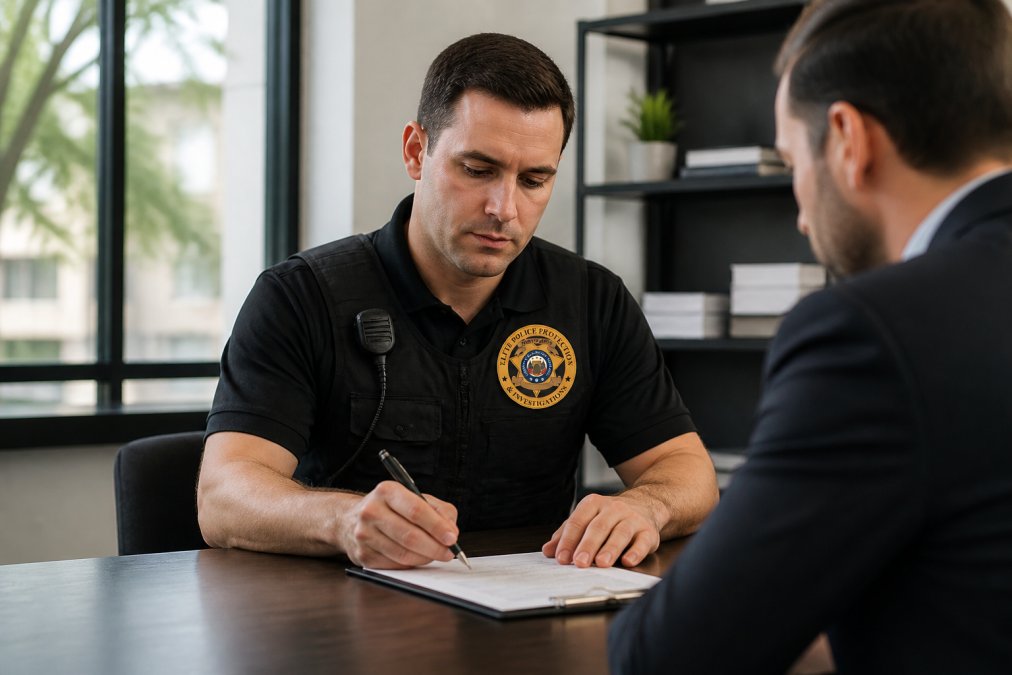
Schedule site visits with finalists. Providers should visit your facility and conduct security assessments, demonstrating commitment and giving you a chance to evaluate their professionalism and risk identification.
Request references and check them. Contact at least two references for each finalist, asking about reliability, professionalism, responsiveness, and whether actual service matched quoted service.
Negotiate terms and pricing. Use competitive quotes as leverage. If Provider A quotes 20% higher, ask why. Sometimes the difference reflects superior qualifications; sometimes there's room to negotiate.
Establish clear performance metrics. Agree on success measurement: guard arrival times, incident response speed, or customer satisfaction. Define these in writing.
Start with a trial period. Negotiate a 30- or 60-day trial period at the quoted rate before longer commitment. This provides real-world data about actual delivery. Providers confident in their service accept trial periods.
The security guard quote is just the beginning. The real test is whether the provider shows up, performs professionally, and maintains quality over time.
Finding the right security guard quote requires balancing cost, capability, and reliability. The lowest price often masks hidden risks: unqualified personnel, inadequate insurance, or providers who disappear when problems arise. Elite Police Protection brings off-duty and retired law enforcement professionals to your facility, backed by an advanced guard monitoring system with client portal access, real-time incident reporting, and specialized services including K9 teams and executive protection. When evaluating security guard quotes, you're choosing between generic guard placement and strategic, professional protection. ASIS International's security industry standards emphasize the importance of qualified personnel and documented accountability. Request your security guard quote from Elite Police Protection today to understand how professional-grade protection compares to standard market offerings.
Frequently Asked Questions
Q: What information do I need to provide to get an accurate security guard quote?
A: An accurate security guard quote requires details about your facility size, location, hours of operation, specific security concerns, number of guards needed, and whether you need armed or unarmed personnel. Include information about access control requirements, surveillance needs, emergency response protocols, and any special events or peak coverage periods. The more detailed your security assessment, the more precise the pricing estimate. Most professional providers will conduct a site survey to evaluate your security vulnerabilities before finalizing their proposal.
Q: How much does it cost to hire professional security guards?
A: Security guard pricing depends on multiple factors including guard type (armed versus unarmed), location, hours of coverage, experience level, and specialized training required. Hourly rates vary based on whether you need standing officers at a fixed location or mobile patrols. Additional services like K9 teams, executive protection, or investigative work affect total cost. Request quotes from multiple qualified providers to compare pricing and service offerings. Each provider will give you a customized estimate based on your specific security requirements and service agreement terms.
Q: Should I request quotes from multiple security agencies?
A: Yes, requesting quotes from multiple security providers allows you to compare pricing, service quality, and specialized capabilities. Different companies offer varying levels of training, technology integration, and personnel expertise. By evaluating several proposals, you can identify which provider best matches your security needs and budget. Look beyond price alone, consider guard certification, background check standards, liability insurance coverage, and their ability to handle your specific security challenges. A no-obligation quote process lets you assess each provider without commitment.
Q: What's the difference between armed and unarmed security guard costs?
A: Armed security guards typically cost more than unarmed officers due to additional licensing requirements, specialized training, and higher liability insurance. Armed personnel require state-specific certifications and background clearances that increase overhead. Your choice depends on your threat assessment and facility type. Retail locations and events may need only unarmed officers, while high-value asset protection or executive protection often requires armed professionals. Request separate quotes for both options to understand the cost difference and determine which level of security addresses your actual risk mitigation needs.
This article was written using GrandRanker