
 ultimate-guide
Benefits of Professional Security for Commercial Buildings
Table of Contents
- Why Professional Security Is a Business Investment, Not Just a Cost
- 1. Crime Prevention and Visible Deterrence
- 2. Liability Reduction and Insurance Premium Impact
- 3. Tenant Safety, Retention, and Professional Environment
- Best Practices for Commercial Building Security
- Hiring Off-Duty Police for Private Security: What Property Managers Should Know
- Commercial Security Guard Services Cost: What Drives Pricing
- ROI and Cost-Benefit Analysis for Professional Security
- Frequently Asked Questions
Last Updated: September 28, 2026
Why Professional Security Is a Business Investment, Not Just a Cost
Most property managers treat security as a line item to minimize. That framing costs them money in the long run.
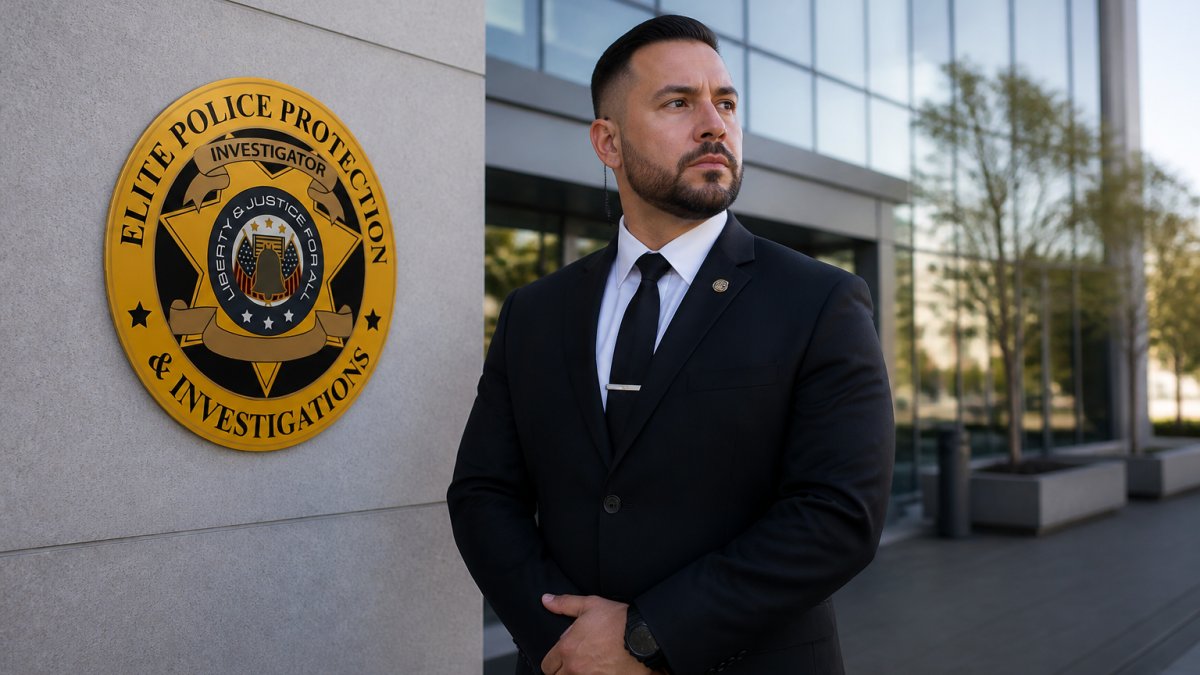
Professional security is a structured risk-management function that protects people, assets, and the bottom line. This guide from Elite Police Protection breaks down the benefits of professional security for commercial buildings, from deterrence and liability reduction to tenant retention and measurable ROI.
The costs of inadequate protection show up in places that don't appear on a security invoice: higher insurance premiums, tenant turnover, incident-related legal exposure, and reputational damage after a single high-profile event. A vacant lobby after a break-in costs more than a year of trained guard coverage.
Below, we'll show you exactly how to evaluate security as an investment, what drives pricing, and where most property managers leave money and protection on the table.
1. Crime Prevention and Visible Deterrence
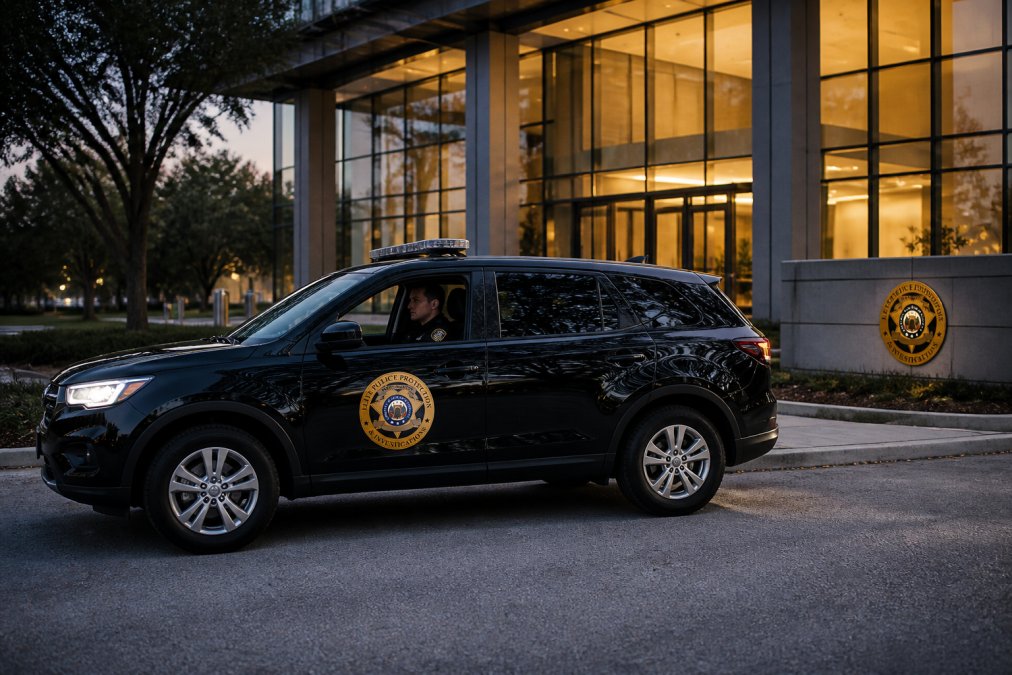
The most effective deterrent is a trained, uniformed presence that would-be offenders can see and assess. A marked patrol vehicle and an officer who greets visitors by name changes the calculus for anyone casing a property.
Deterrence works because it raises perceived risk. According to the Bureau of Justice Statistics, commercial burglary remains one of the most common property crimes, and most incidents involve opportunity rather than planning. Removing opportunity is the entire game.
A common mistake is relying on cameras alone. Cameras document incidents; they rarely prevent them. Combining visible patrols, access control, and 24/7 monitoring creates layered deterrence that cameras cannot achieve on their own.
2. Liability Reduction and Insurance Premium Impact
Documented security protocols directly affect how insurers and courts view a property owner's duty of care. When an incident occurs, the first question is whether reasonable precautions were in place.
Professional security produces a paper trail: visitor logs, incident reports, patrol records, and emergency protocols.
3. Tenant Safety, Retention, and Professional Environment
Tenants notice security. A visible, professional presence signals that management takes occupant safety seriously, and that perception translates into lease renewals.
| Benefit Area | What It Protects | Business Impact |
|---|---|---|
| Crime deterrence | Assets, occupants | Fewer incidents, lower losses |
| Liability documentation | Legal exposure | Stronger defense, better insurance terms |
| Tenant safety | Retention | Lower vacancy, stable revenue |
| Access control | Confidential data | Reduced breach risk |
| Emergency protocols | Life safety | Compliance, faster response |
Best Practices for Commercial Building Security
Effective commercial building security rests on two operational pillars: controlling who enters, and knowing exactly what to do when something goes wrong.
Access Control and Visitor Management
Access control determines who can enter, where, and when. Visitor management tracks everyone else. Together they form the front line of any security policy.
Emergency Response and Incident Management
Written emergency protocols turn chaos into a sequence. Fire, medical, severe weather, and security breach scenarios each need a defined response with named roles.
Hiring Off-Duty Police for Private Security: What Property Managers Should Know
Hiring off-duty police for private security gives commercial properties access to sworn officers with real field experience, authority, and situational judgment that general guard staff often lack. But the arrangement carries legal and insurance nuances that property managers must understand before the first shift.
How the Arrangement Works
Off-duty officers typically work secondary assignments through their departments or through approved vendors. The structure matters because it determines who carries liability, who controls the officer's conduct, and what happens if an incident occurs.
Key questions to ask before contracting:
- Is the assignment authorized by the officer's department? Many departments require approval for secondary employment, and unauthorized work can void coverage.
- Who employs the officer during the shift? If the officer is technically an employee of the department, the property may have limited control over conduct and discipline.
- What is the scope of duties? Off-duty officers may be restricted from certain enforcement actions while working private assignments.
- Is liability coverage documented? Request a certificate of insurance and confirm whether coverage extends to the property as an additional insured.
Liability and Legal Nuance
This is where professional security shifts liability away from the property owner, but only when the arrangement is structured correctly. A documented security program with trained personnel, clear protocols, and accurate incident reporting gives the property a defensible position if a claim arises.
- General liability limits and whether the property is named as an additional insured
- Workers' compensation coverage for the officer
- Whether the vendor carries errors and omissions coverage for failure-to-protect claims
- The indemnification language in the service agreement
Where Off-Duty Officers Add the Most Value
The practical advantage is presence and conflict resolution. Off-duty and retired law enforcement professionals bring enhanced situational awareness to high-risk environments: bars and restaurants, retail centers, healthcare facilities, and construction sites with valuable materials.
Commercial Security Guard Services Cost: What Drives Pricing
Commercial security guard services cost depends on coverage hours, guard qualifications, risk level, and whether the post is armed or unarmed. Pricing is quoted per site, not from a flat rate card.
The variables that move pricing most:
- Hours and schedule: 24/7 coverage costs more than after-hours patrols.
- Armed vs. unarmed: Armed officers and off-duty law enforcement carry higher rates.
- Training and vetting: Prior law enforcement, K9 teams, and specialized personnel cost more than entry-level guards.
- Site complexity: Multiple access points, high foot traffic, and special event coverage add hours and staffing.
- Technology: Monitoring systems, reporting platforms, and client portals are part of the service package.
ROI and Cost-Benefit Analysis for Professional Security
A defensible security budget starts with quantifying what you're protecting, not what you're spending.
Build the analysis in three layers:
- Direct loss avoidance: Estimate annual losses from theft, vandalism, and property damage, then apply a realistic reduction based on deterrence.
- Insurance and liability savings: Ask your carrier what documented risk mitigation is worth on your premium and deductible.
- Retention and operational value: Assign a cost to vacancy, turnover, and incident-related downtime.
Frequently Asked Questions
What are the primary benefits of hiring professional security for commercial properties?
Professional security for commercial buildings delivers crime deterrence, liability reduction, lower insurance premiums, improved tenant satisfaction, and regulatory compliance. A visible security presence with access control and 24/7 monitoring reduces vandalism, theft, and unauthorized entry. Property managers also gain documented incident response, visitor logs, and patrol data that support insurance claims and legal defense. The combined effect is a safer, more professionally managed property that retains tenants and protects asset value over time.
How does professional security impact commercial property insurance premiums?
Insurers assess risk based on crime history, access control, surveillance coverage, and documented security protocols. Properties with professional security personnel, 24/7 monitoring, and visitor management systems present lower risk profiles, which can translate to reduced premiums or more favorable policy terms. The exact impact depends on your carrier, property type, and claims history. Documenting your security infrastructure, including guard patrol logs and incident reports, gives you concrete evidence when negotiating coverage.
What is the difference between monitored alarm systems and on-site security personnel?
Monitored alarm systems detect and alert, but they cannot intervene, de-escalate conflicts, or verify threats in real time. On-site security personnel provide visible deterrence, immediate response, access control enforcement, and situational awareness that alarms alone cannot deliver. For commercial buildings with high foot traffic, tenant safety concerns, or valuable assets, a layered approach combining technology with trained guards produces the strongest protection. Many property managers use both: alarms for detection and guards for response.
How can professional security services improve tenant retention and safety?
Tenants notice security. Buildings with visible patrols, controlled access, well-lit common areas, and responsive incident management create a sense of safety that directly affects lease renewal decisions. Property management companies that invest in professional security often see fewer complaints about trespassing, loitering, and after-hours incidents. A safe environment also supports workplace safety compliance and reduces the operational disruptions that drive tenants to look elsewhere when their lease expires.
What role do off-duty law enforcement professionals play in commercial security?
Off-duty or retired law enforcement officers bring situational awareness, conflict resolution training, and legal knowledge that standard guard services may lack. They are particularly effective in high-risk environments such as bars, retail centers, healthcare facilities, and construction sites. Their presence carries additional deterrence weight because of their professional background. When hiring off-duty police for private security, verify that the provider manages insurance, liability coverage, and proper coordination with local law enforcement to avoid jurisdictional or legal complications.
What factors affect commercial security guard services cost?
Pricing for commercial security guard services depends on coverage hours, number of locations, whether officers are armed or unarmed, and the level of training or law enforcement background required. Additional cost drivers include 24/7 monitoring, K9 units, patrol vehicle use, and reporting technology. Because every property has different risk profiles and operational needs, most providers build custom quotes. Contact Elite Police Protection directly for a tailored assessment and current pricing based on your building's specific requirements.
Commercial properties face rising liability exposure, tenant expectations around safety, and insurers who increasingly reward documented risk mitigation. Elite Police Protection addresses all three with off-duty, retired, and prior law enforcement professionals, 24/7 availability, an advanced guard monitoring system with client portal access, and K9 teams for complex environments. Get started with Elite Police Protection and build a security program you can actually document, verify, and defend.